
The evolution of casinos tracing their historical journey through time
The Origins of Gambling
The concept of gambling dates back thousands of years, with evidence found in ancient civilizations such as Mesopotamia and China. Archaeological findings indicate that games involving chance and betting were integral to social gatherings. These early forms of gambling often involved dice or rudimentary card games, reflecting humanity’s innate desire to test fortune and luck. Today, many people enjoy the exciting atmosphere of casinos, including popular choices like Goat Spins Casino, which offers a variety of gaming options.

As societies evolved, so did the complexity of their games. The ancient Romans, for instance, incorporated gambling into their entertainment, hosting events in amphitheaters where spectators wagered on gladiatorial combats. This integration of betting into popular culture laid the groundwork for future gambling establishments.
The Birth of Modern Casinos
The first official casino, known as the Ridotto, opened in Venice in 1638. This establishment marked a significant shift from informal gambling to organized venues specifically designed for games of chance. The Ridotto offered various games, including card games and dice, attracting a wealthy clientele eager to participate in this new form of entertainment.
As the 18th century progressed, gambling establishments began to appear across Europe. The allure of casinos grew, leading to the establishment of iconic venues like the Casino de Spa in Belgium and the Monte Carlo Casino in Monaco. These establishments not only offered games but also luxurious amenities, transforming casinos into destinations for the elite.
The Rise of Las Vegas
The evolution of casinos took a dramatic turn in the 20th century with the rise of Las Vegas. Originally a small desert town, Las Vegas transformed into a gambling mecca after World War II, spurred by the legalization of casino gambling in Nevada. This change attracted investment and led to the construction of extravagant resorts and casinos that featured entertainment, dining, and nightlife.
The establishment of iconic casinos like The Flamingo and The Sands not only defined the Las Vegas Strip but also set new standards for casino design and guest experience. The city’s reputation as the “Entertainment Capital of the World” solidified its status as a premier gambling destination, attracting millions of visitors annually.
The Digital Revolution
The late 20th and early 21st centuries witnessed a significant transformation with the advent of online casinos. The introduction of the internet allowed gamblers to access a vast array of games from the comfort of their homes. Online platforms began to offer traditional casino games alongside innovative new options, catering to a growing audience.
This digital revolution has made gambling more accessible than ever, with players now able to enjoy live dealer games and mobile-friendly options. As technology continues to advance, online casinos are evolving, integrating features like virtual reality and augmented reality to enhance the gaming experience further.
The Future of Casinos
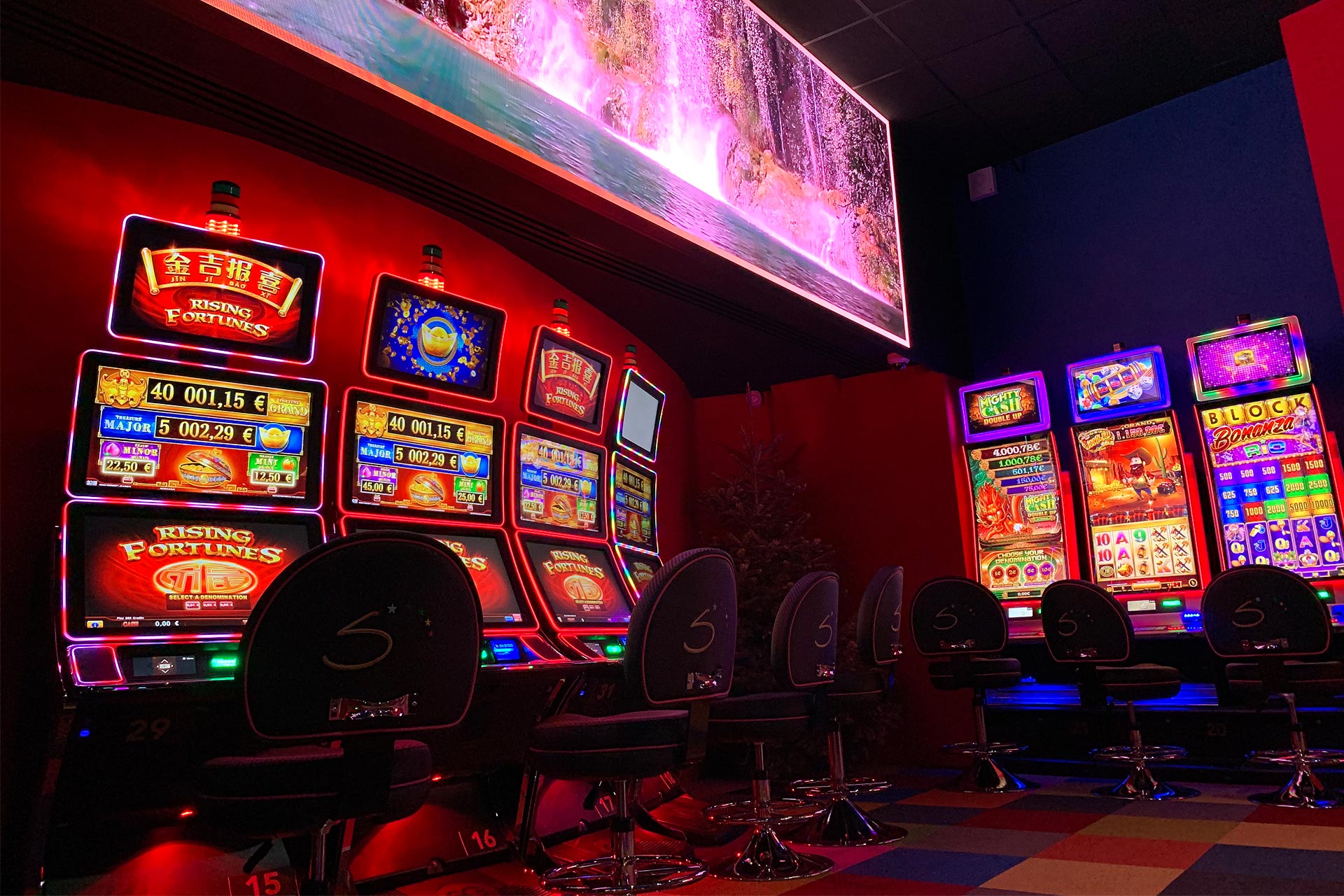
The future of casinos appears to be a blend of traditional and modern gaming experiences. While physical casinos remain popular, the integration of technology is reshaping how players interact with games. Innovations like cashless gaming and enhanced customer service through AI are set to redefine the casino experience.
As the industry evolves, platforms like Goat Spins Casino represent the new frontier of online gaming. With a diverse selection of games, user-friendly interfaces, and attractive promotions, these platforms cater to modern players while ensuring an engaging and rewarding gaming experience.
