

This reserve account is used to adjust the cost of goods sold (COGS) and the value of the inventory on the balance sheet. The LIFO Reserve plays a significant role in the financial statements of a company and can impact the company’s profitability, taxes, and investor confidence. During periods of rising oil prices, the LIFO reserve increases, leading to lower reported profits and, consequently, lower taxes. However, if oil prices fall sharply, the company may experience a LIFO liquidation, resulting in higher taxable income and a sudden tax burden.
Introduction to LIFO liquidation and its impact on profits
When a company uses the LIFO method, the cost of goods sold is higher, which reduces the Gross Profit Margin. Conversely, when a company uses the FIFO method, the cost of goods sold is lower, which increases the Gross Profit Margin. This is because different industries have different levels of liquidity requirements. For example, a retail company may have a higher current ratio than a manufacturing company because retail companies have a higher level of inventory. Comparing a company’s current ratio to the industry average can provide insights into whether the company is performing well or not. Tracking inventory levels and market cost changes allows for better planning around liquidations.
Understanding LIFO Reserve and its importance in preventing profit erosion
The difference between the higher FIFO value and lower LIFO value is called the LIFO Reserve. For example, if a company reports $1 million in inventory using LIFO but would have reported $1.2 Statement of Comprehensive Income million using FIFO, the LIFO reserve would be $200,000. This $200,000 bridges the gap between the two valuation methods on the balance sheet. Accounting professionals would agree that properly valuing inventory is critical for accurate financial reporting.
Why is LIFO reserve important in accounting?
Effective management of the LIFO reserve can lead to optimized tax benefits and improved inventory management. This webpage aims to provide a detailed guide on calculating the LIFO reserve and its implications for business operations. We’ll also explore https://www.bookstime.com/ how Sourcetable facilitates this process with its AI-powered spreadsheet assistant, allowing you to handle these calculations efficiently. The dollar-value LIFO method is the most popular method of costing inventory under LIFO.


Choosing between LIFO reserve and FIFO involves careful consideration of the operational environment and financial goals. Companies operating in stable price conditions may prefer FIFO to maximize lifo reserve income and reflect a healthier economic outlook. Companies can leverage knowledge of the LIFO reserve in their budgeting and financial forecasting processes.
Understanding LIFO Reserve: Bridge the Gap Between Inventory Accounting Methods
On the other hand, a low LIFO reserve indicates that a company is using FIFO to maximize its tax liability. This is important for investors because it indicates that the company is not taking advantage of tax benefits. This can result in a “lifo reserve” or “inventory reserve” being recorded on the balance sheet. Lifo reserve accounting is a method used to account for the difference in value between the cost of inventory under the LIFO method and the cost of inventory under the FIFO method. When prices are increasing, LIFO reserve increases because the difference between the LIFO value of inventories and their FIFO value increases.
- Maintaining this reserve ensures accurate financial reporting and helps manage tax impacts while staying compliant.
- The LIFO reserve can have a significant impact on a company’s balance sheet, as it affects the reported value of inventory, COGS, and gross profit.
- It indicates that the reported inventory value would be higher if not for the use of LIFO.
- The LIFO reserve is an essential factor to consider when conducting financial analysis.
- This discrepancy arises due to the fact that most businesses apply FIFO for internal reporting purposes but opt for LIFO while preparing financial statements for external stakeholders.
- From an accounting perspective, the LIFO reserve is important because it can have a substantial impact on a company’s reported earnings and tax liability.
- If the LIFO layers of inventory are temporarily depleted and not replaced by the fiscal year-end, LIFO liquidation will occur resulting in unsustainable higher gross profits.
Territorial Tax System
- A growing LIFO reserve might raise red flags, suggesting that the company is holding onto older inventory or that it may not be managing its stock effectively.
- Understanding how to calculate the LIFO reserve allows for accurate comparison between companies using different inventory accounting methods.
- The presence of a lifo reserve affects several financial statements, including the balance sheet and income statement.
- LIFO Inventory Valuation is a commonly used inventory accounting method that can have a significant impact on a company’s financial statements.
- Most of the ratios of two companies can be compared only if they use the same inventory valuation method.
- LIFO is one of several cost flow assumptions used in inventory accounting to determine how inventory costs are allocated and reported.
- In order to create a balance between the two methods and to give a fuller picture of a company’s financial realities, the LIFO reserve account is necessary.
It is crucial to establish this difference when transitioning to the LIFO method since it ensures accuracy in financial reporting. Once calculated, LIFO reserve can be tracked over time to provide valuable insights into the impact of inflation on inventory costs. In summary, LIFO reserve plays a vital role in reconciling discrepancies between FIFO and LIFO inventory costing methods for external reporting purposes.
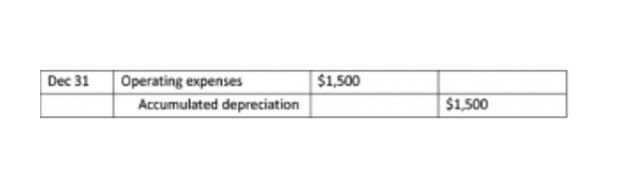
The Two Philosophies of Taxes and Income
The LIFO method is applied for external reports, such as tax returns, given that the LIFO method assigns a higher cost to the goods sold during the year. By raising the cost, less taxable income is reported on the income statement; thus, the overall tax expense is also reduced. In order for external users to not be mislead about the true value of inventory, cost of goods sold, and profitability of the company, there needs to be a reconciliation between the two valuation methods. While LIFO reserves have been a staple in financial reporting for many companies, their future is uncertain. Businesses must stay informed about regulatory developments, embrace technological advancements, and consider the broader implications of their inventory accounting practices. As the landscape evolves, so too must the strategies for managing and reporting inventory on the balance sheet.
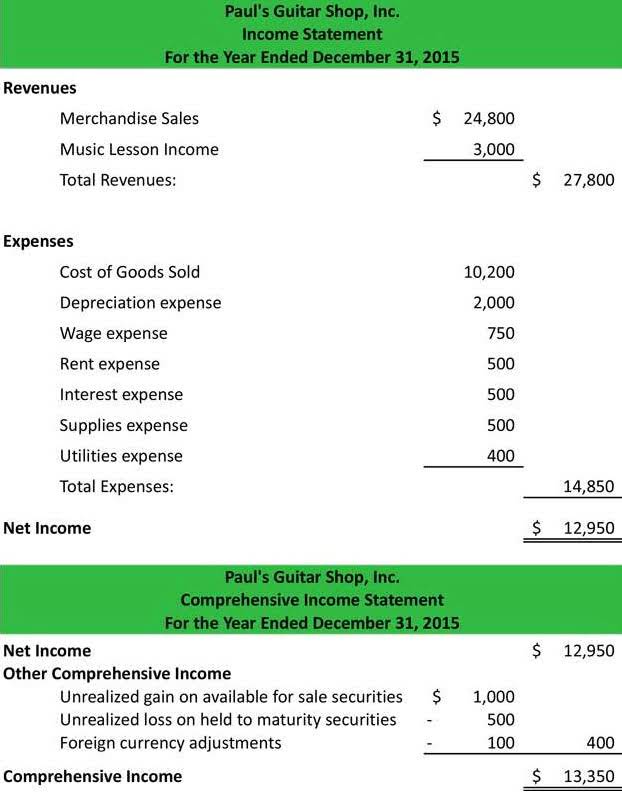
Using the LIFO method can have several implications on a company’s financial statements. For instance, the COGS will be higher under the LIFO method, which will result in lower profits and lower taxes. This is because the most recent inventory purchases are considered to have the highest cost, which reduces the value of the remaining inventory. Additionally, the lifo Reserve can have an impact on a company’s financial ratios, such as the current ratio and the inventory turnover ratio.
